




Subscribe to receive the latest news, events, volunteer opportunities, and more — right to your inbox.

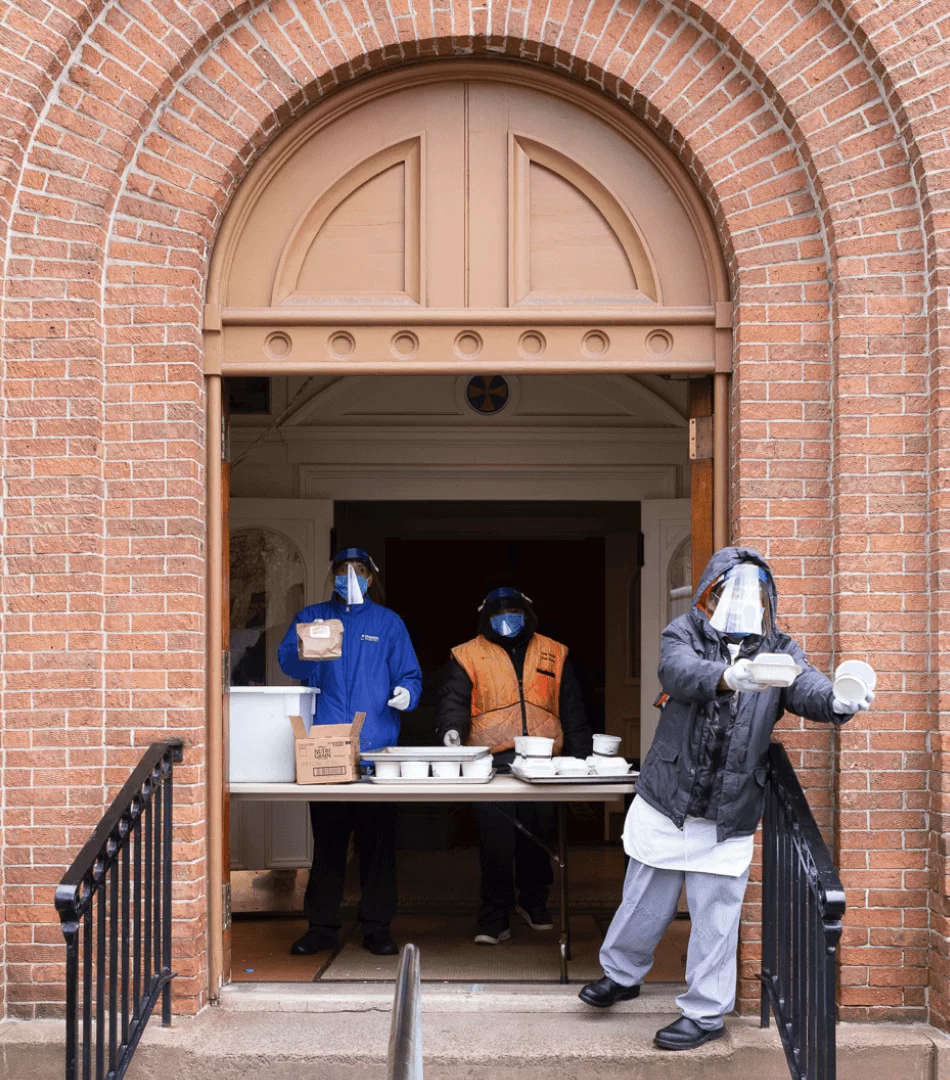

This place is an oasis in the desert. Eating here is a lifeline. Shelters don’t have to provide sustenance. But this place is therapeutic. They uplift you here.

UPCOMING EVENTS
The Sixth Sunday of Easter — Holy Eucharist (Said in the Muriel Moore Chapel)
The Sixth Sunday of Easter — Holy Eucharist (Said in the Muriel Moore Chapel)
All are welcome at our 9 am Holy Eucharist together in our beloved church. Holy Eucharist -- Said in...
May Adult Forum Parishioner Led Series
May Adult Forum Parishioner Led Series
Join us for three Sundays of May for our Parishioner led Adult Forum at 10:00 am on the first floor ...
The Sixth Sunday of Easter — Holy Eucharist (with Music)
The Sixth Sunday of Easter — Holy Eucharist (with Music)
Please join us for in person for worship. We encourage mask wearing during worship. The live-stream ...

Church
A spiritual community for everyone.
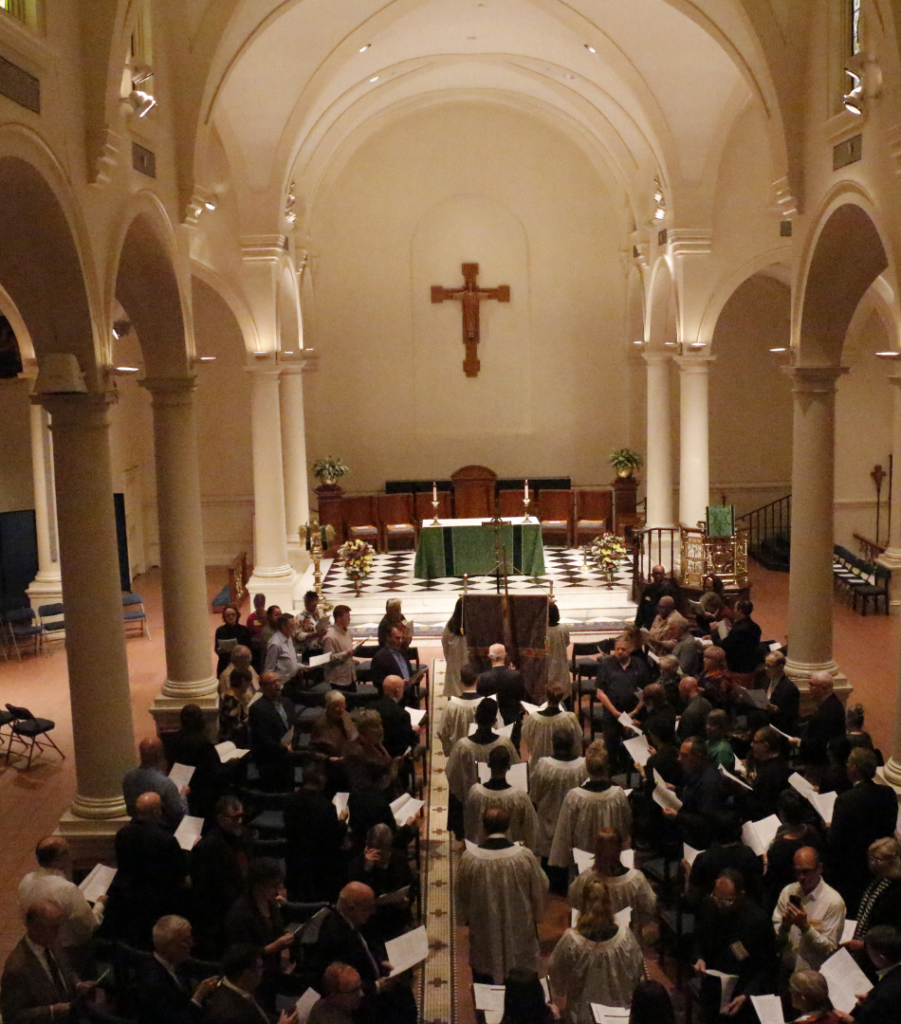
The Church of the Holy Apostles is an open and inclusive Christian community of people coming together in the Episcopal tradition to worship and create community.
Our Sunday services take place at 9AM (on site) and 11AM (on site and via live-stream). View our full service schedule below.
Join our worship community online and in person.
Holy Eucharist | Sunday 9AM (on site)
Holy Eucharist | Sunday 11AM (on site & via Livestream)
Insight | Tuesday 6:15PM (on Zoom)
Morning Prayer and Bible Study | Wednesday 8:30AM (on Zoom)
Compline | Thursday 9PM (on Zoom)

SOCIAL SUPPORT
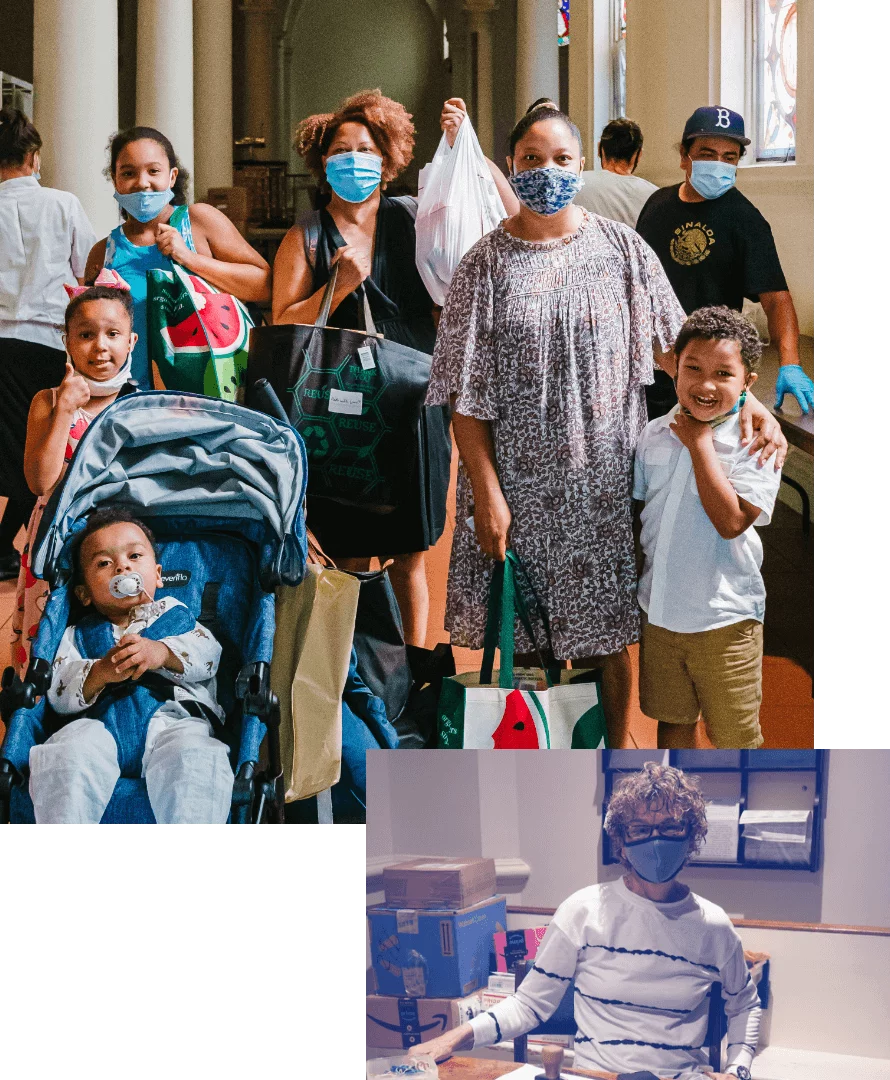
At Holy Apostles, we aim to help serve our guests’ nutrition needs, as well as their holistic needs.
Our Social Services Center offers a range of additional supportive services central to achieving our ultimate goal, which is to empower our guests to move on to a more manageable and fulfilling way of life.
THE LATEST
Up to date news, information on events, programs, ways to get involved, and more…

The Work Of The People | The Rev. Dr. Anna S. Pearson, Rector
The photo below is a new mural that has just been unveiled on Riker’s Island. It is the collaborative vision of detainees, artists and arts therapists. Moving the vision from aspiration to reality was a collaborative process, too: detainees of all ethnicities and...
Volunteer Corner – Meet Maureen
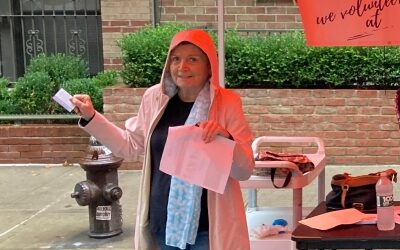
“I believe that you should give back,” Maureen says, and she means it. After retiring from a successful career in business and a stint with the International AIDS Vaccine Initiative, Maureen jumped into volunteering with both feet. In fact, she is one of our...
For Her Granddaughter – Meet Mildred
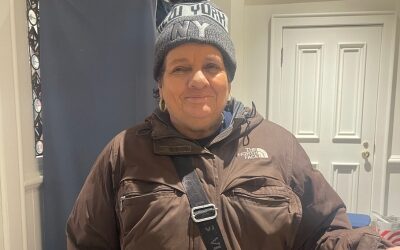
You helped Mildred provide a stable home during a tough time If you’ve ever had a growing child in your house, you know what it’s like. They need plenty of good, nourishing food, of course. But they also seem to outgrow their clothes and shoes every few months....

Get involved
Be the change you want to see in the world.
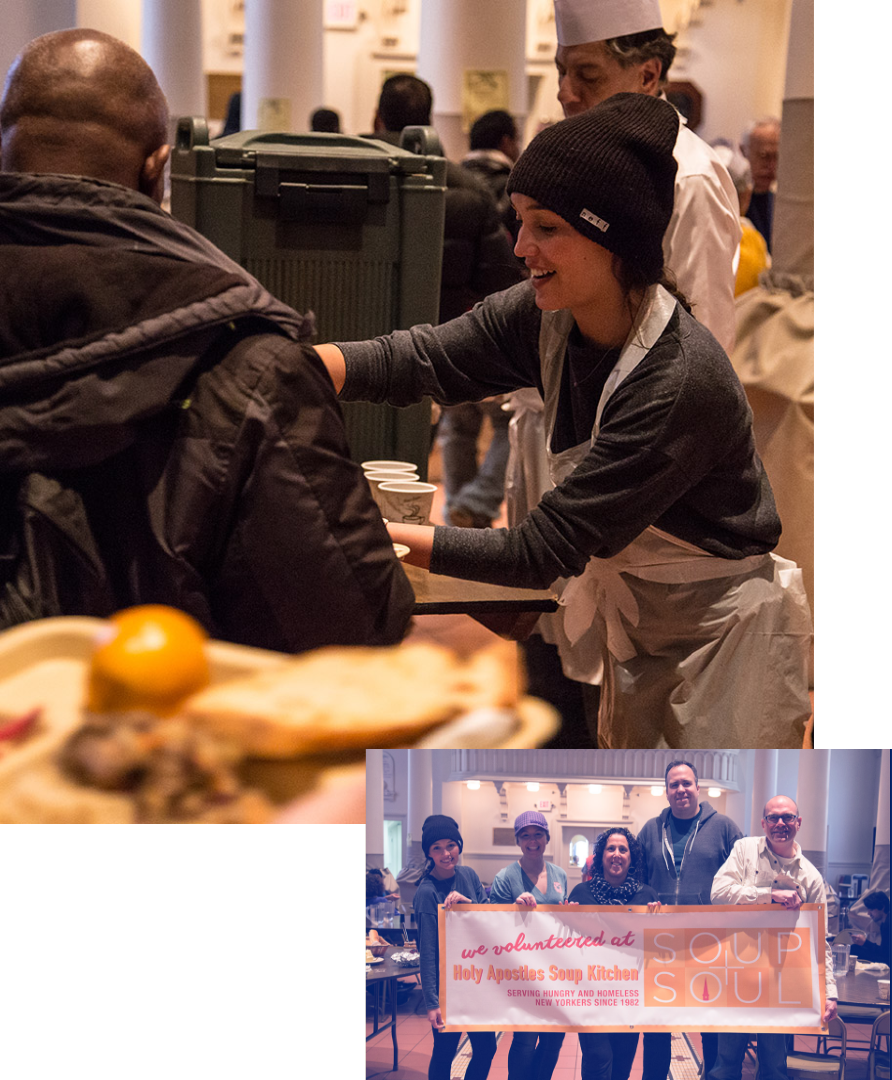
If you are feeling called to do something that makes a real difference in people’s lives, and helps make the world a better place, Holy Apostles offers several volunteer-led programs designed to provide crucial support for individuals and families that are experiencing difficulties. We welcome you to share your time and talents.
Subscribe to receive the latest news, events, volunteer opportunities, and more — right to your inbox.